Fixed price vs cost-plus: what to compare before building
What each pricing approach means, and why a published design price is not the same as a contract price.
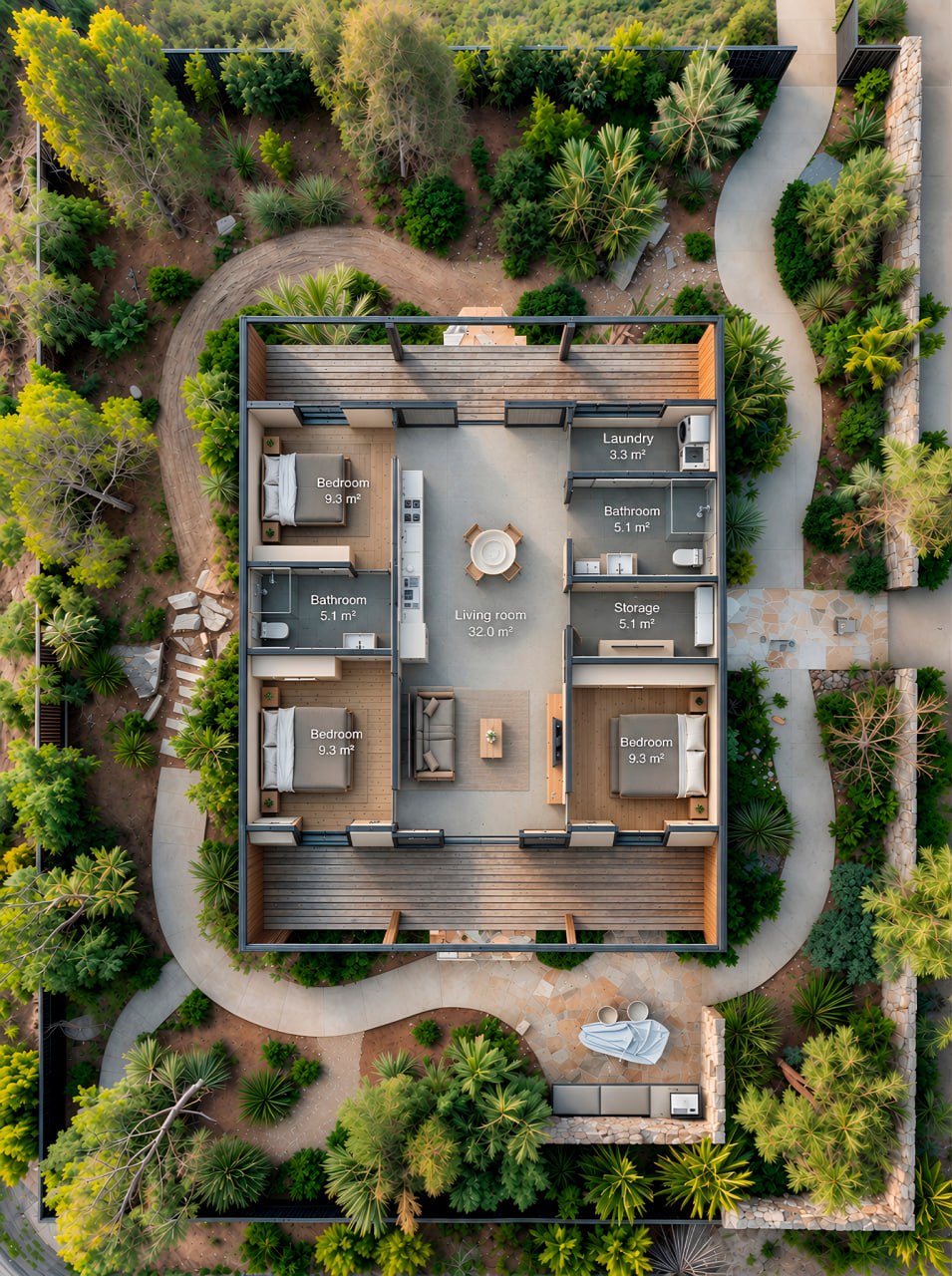
A published starting price helps compare designs. A building contract would need a defined scope, specifications, exclusions, site costs and any allowances for the actual block.
Fixed-price contracts
A lump-sum contract sets out an agreed price for a defined scope. Exclusions, provisional sums, prime-cost items and variation terms still matter. A number on a website cannot do that job.
Cost-plus contracts
In a cost-plus arrangement, actual costs are charged with an agreed builder margin. It can suit work whose scope cannot be completely established up front, but the final total is less predictable.
How to use our published prices
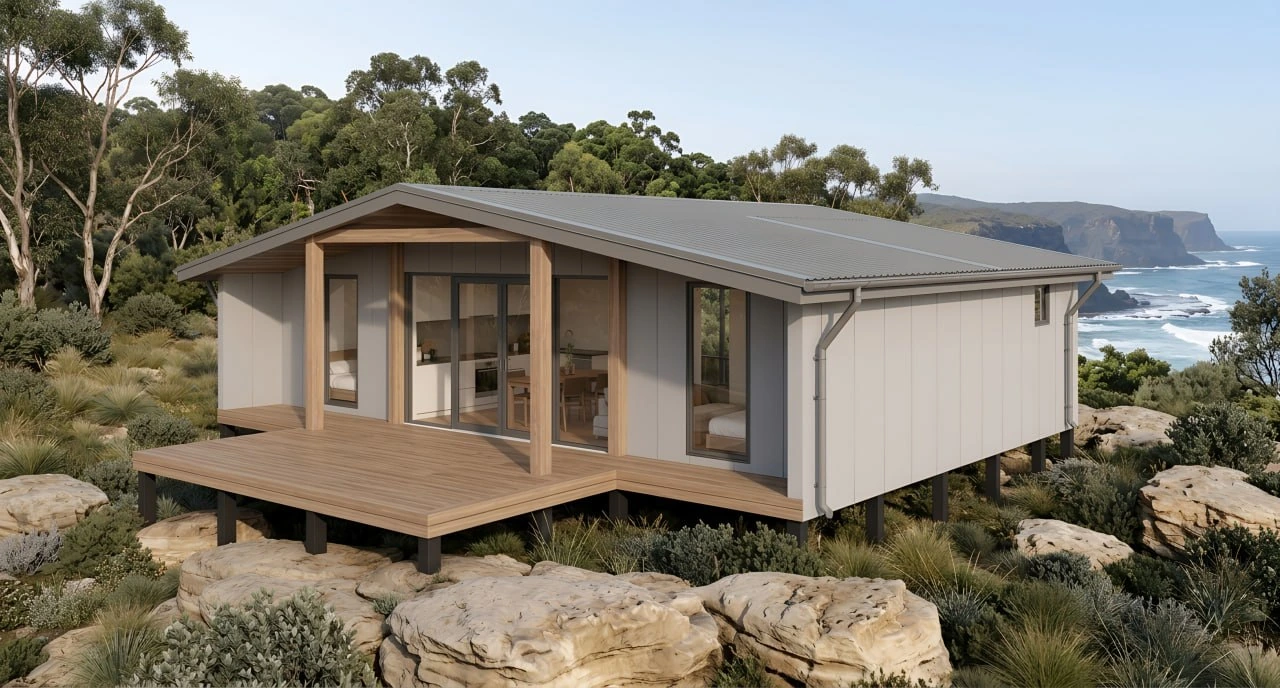
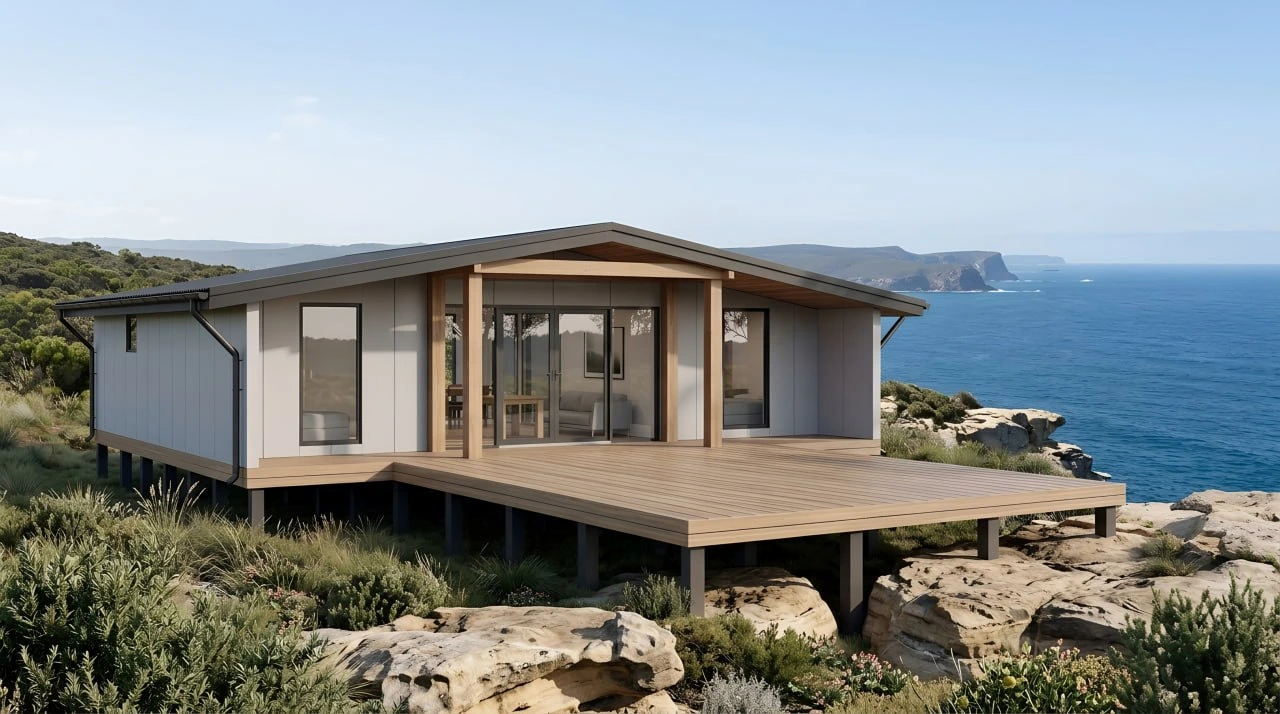
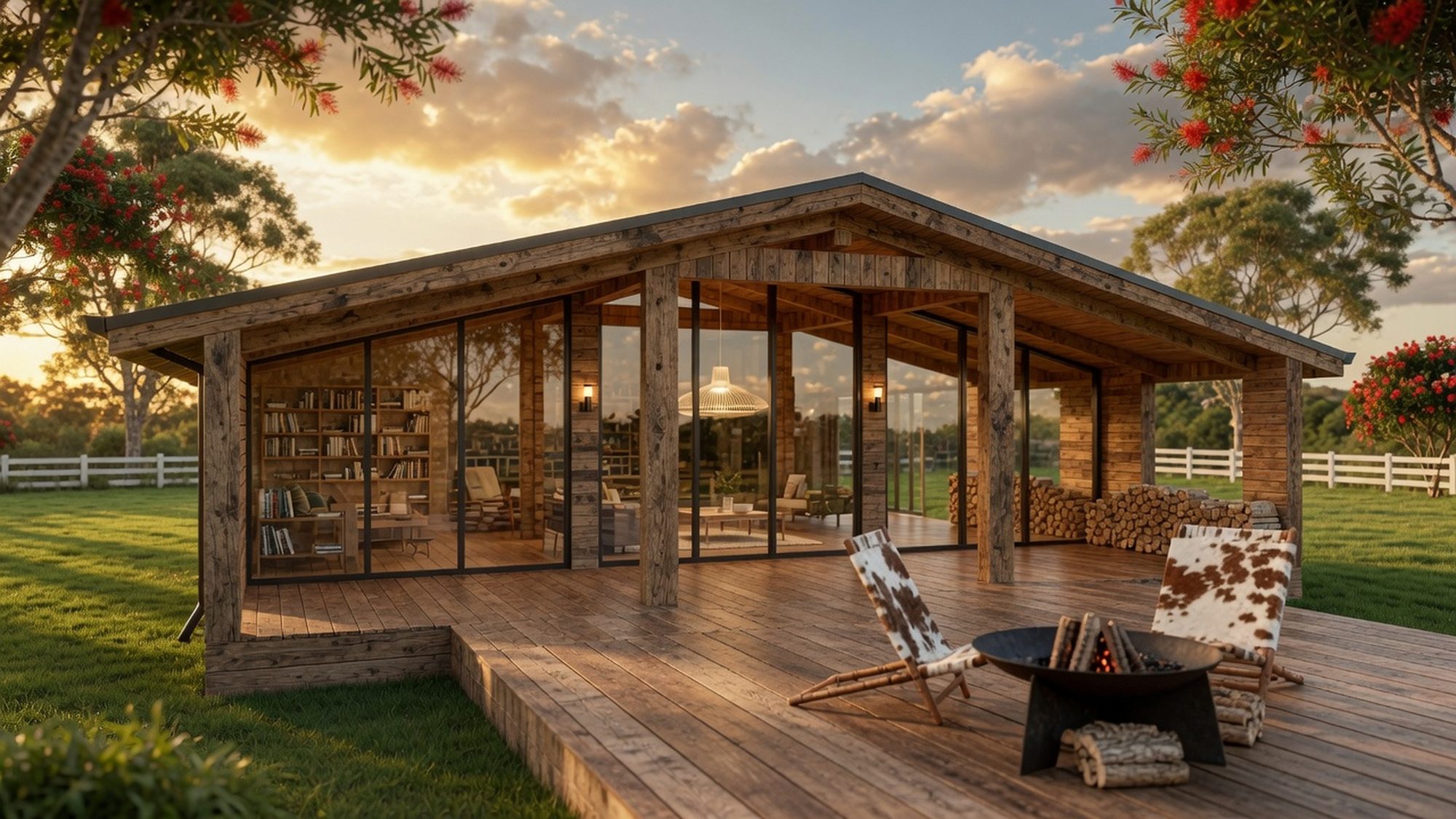
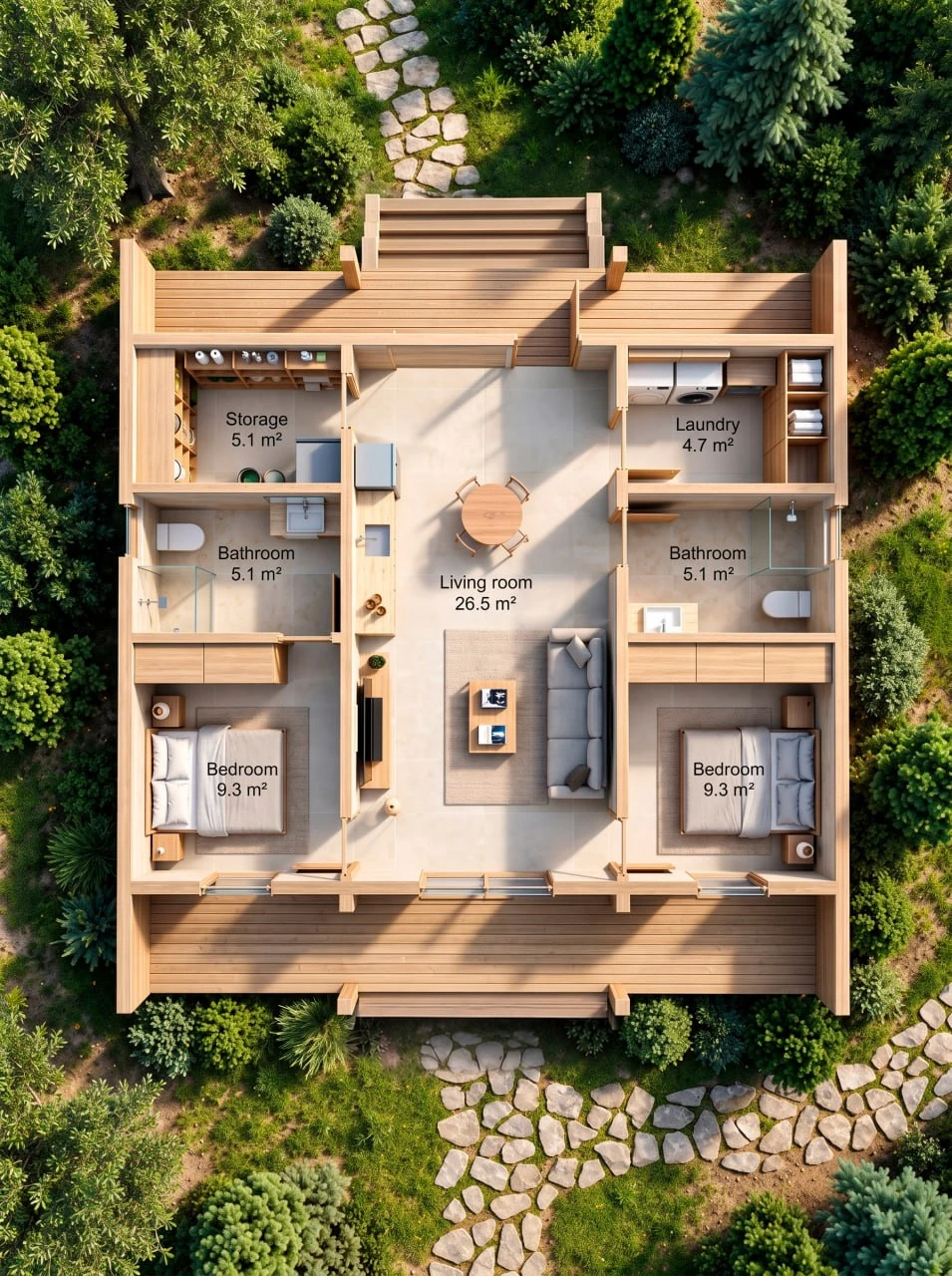
SMALL HOUSE 90 starts at $179,000, MEDIUM HOUSE 100 at $215,000 and BIG HOUSE 120 at $250,000. These are indicative home prices only. Land and site-specific works are additional.
- Compare the same design and specification
- Separate the home price from site-specific costs
- Check approvals, certification and connections
- Review licence and required insurance documentation before signing or paying
A clear price starts with a clear scope — not just a number in an advertisement.
Wondering what fits your block?
Tell us about your block and preferred design. We're collecting enquiries about the concepts. No quote or build date is offered online.